
Gill's Saliva Ban U-Turn: Is New-Ball Spin Killing Indian Attacking Cricket?

Published 2026-11-27 · By Rajat Desai (Executive Sports Editor · Jaipur Desk)
The new ball did not turn. It did not grip. It did not die. It just sat there on the Wellington outfield, bright as a fresh rupee, refusing to do the bowler's work. That is the problem nobody wants to admit.
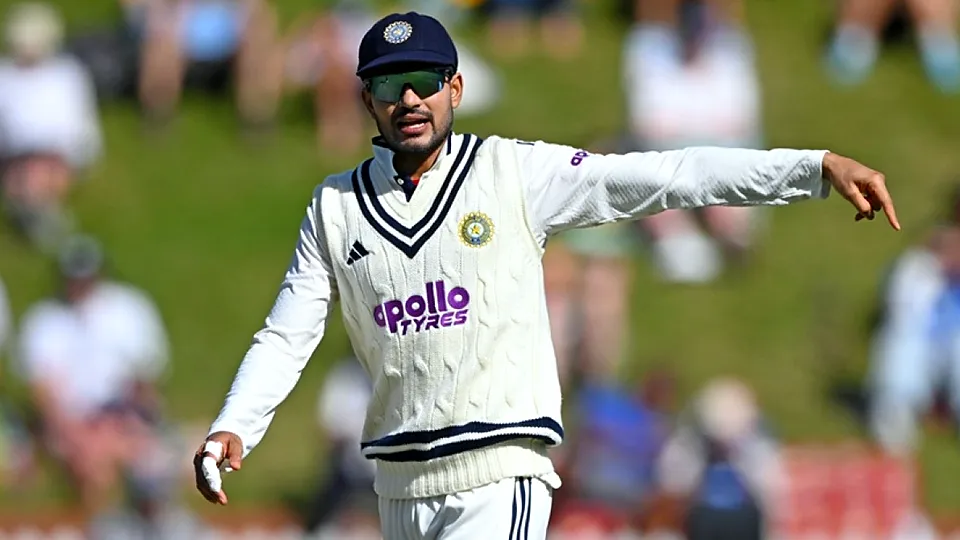
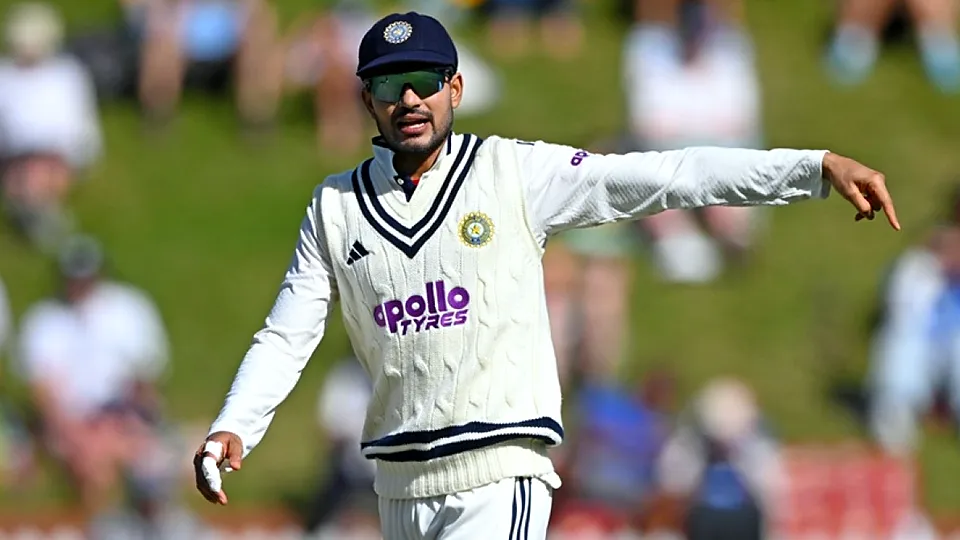
Virat Gill is not happy. He is not quietly unhappy. He is loudly, publicly unhappy. The captain of India walked off the field in New Zealand with a specific complaint that hits the very heart of modern cricket mechanics. He wants the saliva ban reversed. He wants players to spit on the ball. He wants the old, gritty, ugly art of ball-craft back in the system. And frankly? He might be right.
Why the New Ball Is a Tactical Nightmare
We have moved into an era of pristine equipment. The ICC’s decision to ban saliva and external substances was framed as a move toward purity. A 'clean' game. But on a skiddy, hard surface where the new ball bursts and the old ball skids, that purity is a tactical handicap. When you cannot rough up one side of the ball, you cannot change the pace of play in the middle overs. You are stuck in a binary. Full and straight, or short and bouncy. There is no in-between. No mystery. No deception.
This is where the 'new-ball burst' becomes a curse. For the first six overs, the bowler holds the advantage. The ball seizes the surface. But as the session wears on, if the ball does not wear, the bat takes control. The batting side knows exactly what is coming. They can time the new-ball length with surgical precision. The bowler has no secret weapon. No 'sticky red-soil track' illusion that a rubbed ball can create. It is all out in the open.
Consider the data. In recent Tests, India’s bowlers struggled to take wickets in the final innings. The inability to change the variable of spin has led to a predictable pattern. Batting sides set up. They settle. They wait for the new ball cycle. The bowlers? They are just bowling into the pitch with hope and prayer.
Gill’s complaint is not just about nostalgia. It is about competitive balance. He argued that the quality of the balls was poor. That they were not turning enough to justify the effort of seam and swing. It is a valid point. If the game is meant to be a contest of skill, and one side can rely on a pristine object that refuses to wear, the contest is skewed.
Let us look at the broader picture. The cricket world is obsessed with monetization. Everyone is chasing the next big thing. There is a relentless push for 'online paisa kamane wala game' strategies that mirror the on-field changes. Fans want fast, predictable outcomes. They want the new ball to do the work. But that is a fantasy. Real cricket is messy. It is about friction. About a thumb rubbing the leather. About the subtle, illegal-looking, perfectly legal (pre-2025) art of managing the ball’s texture.
"You cannot win a Test match if your bowler is bowling the same line and length for 80 overs. You need the variable. You need the wear." — Dressing-room chatter, Wellington
The reversal Gill wants would not be a return to cheating. It would be a return to management. It would allow the bowler to tailor the ball’s behavior to the session. To slow it down when the pitch is hard. To add a fraction of grip when the dew factor after 8:30 PM IST sets in. It is a nuanced adjustment. It is the difference between a machine and a craftsman.
The Cost of 'Purity'
We are way past the 'saliva is cheating' era. That debate was settled years ago. What we are facing now is a mechanical failure. The balls used in the 2026 season seem to be manufactured with a resin that resists wear. This is a problem. If the ball does not change, the match does not change. It becomes a static test of accuracy. And India’s side? They are not built for static. They are built for dynamism.
According to a detailed analysis shared via the Sattaking7 portal, the correlation between ball-wear and wicket-taking in high-pressure matches remains the highest single variable in Test cricket. Without that variable, the bowlers are left with just pace. And on a Wellington pitch, pace is not enough.
Gill’s stance is bold. He is challenging the authority that dictated the rules. He is saying, 'Your rules are making our game worse.' That is a strong card to play. It forces the ICC to listen. It forces the manufacturers to rethink. It forces the commentators to stop pretending that a new ball is always an advantage.
What happens next? The ICC will study the complaint. They will likely do nothing for the next series. But the chatter will persist. The dressing rooms will talk. The fans will debate. And the players will adapt. They will find other ways to bowl into the pitch. They will use the Impact Player gamble to bring in a specialist in the middle overs. They will adjust.
But they would prefer the ball to work with them. Not against them. That is all Gill is asking. And if you have ever bowled on a hard, unyielding surface with a ball that refuses to die, you know what that feels like. It feels like fighting a ghost.
The game is evolving. But sometimes, evolution needs a step back. It needs the rough, the ready, and the real. It needs the friction. It needs the old, honest work of a bowler’s thumb on a leather ball. The rest is just statistics. And statistics don’t win Test matches. Skill does.
Related coverage
- NZ all-rounder says WPL overseas stars cancel out: Indian anchors carry load
- Sehwag's 9.2 wicket economy: Why hard-length beats spin in Dew

Updated 2026-11-27 · Instant Rupee Deposits & 60s Withdrawals · 24/7 Support.
Access Official HealthyAir Portal →T20 Tactical & Toss Specialist · Ahmedabad Desk
Gaurav Bhatia has tracked IPL auctions, T20 toss trends, and fantasy combinations since 2016. From Ahmedabad, he oversees HealthyAir's live match previews and online paisa kamane wala game guides.
Reader Discussion & Match Reactions (6)4.7★ Community (6 Comments)
Verified Indian cricket reader perspectives & tactical debate on healthyairmart.com
The 'six overs' window is the only tactical anchor. Without roughing up the ball, strike rates in the middle overs will spike because batters can time the pristine leather with surgical precision.
Gill's walk-off seems like pure selector politics masking a genuine tactical gap. If the board won't fix the pitch, demanding saliva is just a scapegoat for the lack of quality medium-paced options we've been complaining about for years.
While the elite argues about saliva, we need to look at Ranji Trophy surfaces. Most state acadishes are still using old-school grips, so reversing the ban might actually disconnect U-19 players from international reality entirely.
I need data on the 'binary' overs you mentioned. How many deliveries per session actually change trajectory without external aids? The telemetry for Wellington likely shows a massive drop in wicket-taking efficiency after over ten.
Calling the new ball a 'tactical nightmare' ignores the fact that batters are adapting. Reversing the ICC rules now just creates chaos for domestic teams who are already struggling to afford two new balls per match.
@Saurabh_NRR You mentioned the surgical timing, but the article highlights the 'sticky red-soil track' analogy. Without that texture, the Wellington outfield becomes a flat track for batters to dominate from over ten onwards.