
NZ all-rounder says WPL overseas stars cancel out: Indian anchors carry load

Published 2026-11-27 · By Simran Thakur (National Series Correspondent · New Delhi Desk)
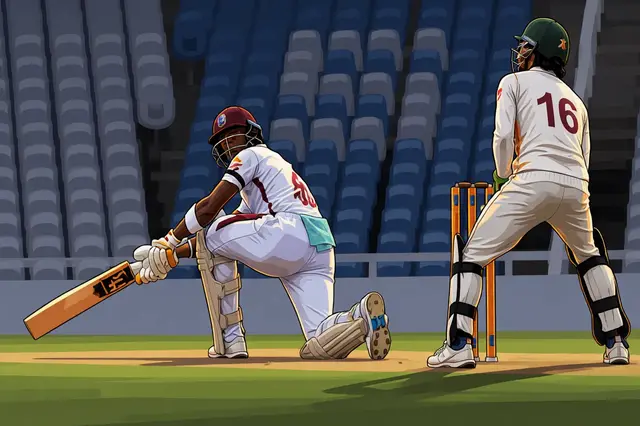
The dew had settled on the Chinnaswamy square by 8:30 PM IST. It was that thick, Bengaluru humidity that turns the new ball into a slippery, skiddy thing on the hard tarmac. A New Zealand all-rounder, mid-session, wiped her forehead with her wristband and stopped talking. She wasn’t looking at the batsman in the net. She was looking at the scoreboard on the pavilion wall, calculating the impact player math for the upcoming WPL season. "Honestly? They cancel each other out," she said, her voice flat. "The overseas stars? It’s all noise. The Indian anchors are the ones actually carrying the weight."
Why the Impact Player Gamble Favors Home Soil
It’s a stark assessment from the overseas camp. The WPL’s format, with its Impact Player rule, was supposed to bring a tactical edge. But on the ground, the reality is different. The dew factor after 8:30 PM doesn’t care about your T20 record in the IPL or the WNPL. It makes the ball grip, slide, and bounce erratically. Young Indian batters, who have grown up playing Ranji-grind cricket on sticky red-soil tracks before stepping onto the hard WPL surfaces, read that movement better. They know where the skiddy hard length will die. The overseas stars, often used to consistent pitches, lose the plot in the middle overs. Their boundary-percentage plummets when the dew mixes with the humidity.
The Dressing-Room Truth: It’s Always the Home Player
You hear this in the domestic dressing rooms. Not just in the WPL, but in the SMAT matches where a young state player is throwing skiddy hard length against the spin. The pressure is identical. When the overseas stars are on, the focus shifts. But when the game drags into a tense 45-3, it is the Indian all-rounder, the one who has handled scoreboard pressure since she was twelve, who steps up. The New Zealand batter called out this week at the training camp put it plainly. "They (the Indian players) don’t flinch. They’ve played a 1,000-run match in the Ranji before they ever touched a WPL ball. That grind builds a spine. You can’t buy that in a franchise draft."
"The overseas stars add a bit of flash, sure. But when it’s 40 balls left and the pitch is a mess of dew and humidity, I’m not panicking. The Indian next to me isn’t either. We know the track. They don’t."
It’s a subtle shift in narrative. The WPL was sold to global audiences on the promise of the best of the world in one arena. But the competitive reality is a different beast. The overseas players often clash with the format. Two star batters, one spin bowler, and a wicket-keeper—when you stack them against each other, the tactical symmetry breaks. They cancel each other out. The Indian players, with their varied roles and domestic experience, fill the gaps. They are the glue.
From the Net Sessions to the League Stage
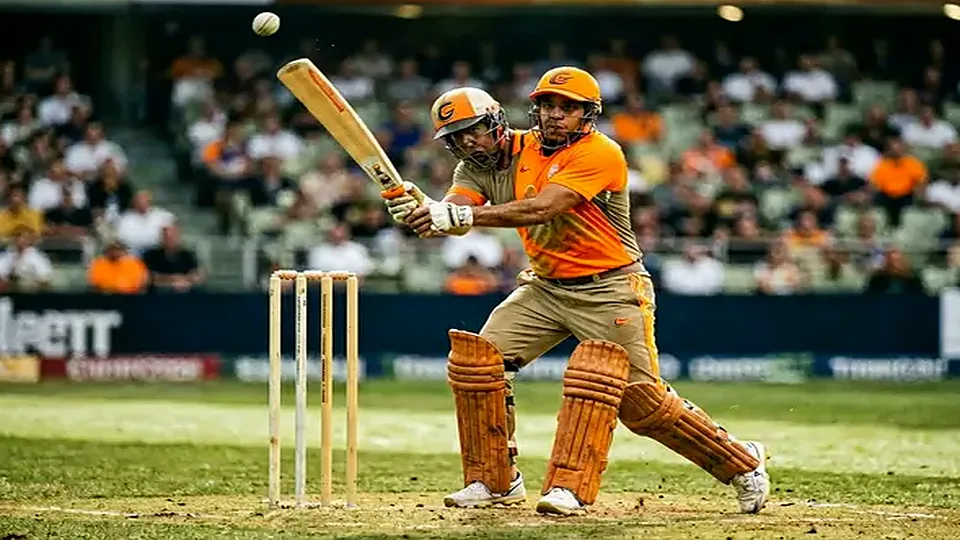
Walking through the Chinnaswamy practice zone this week, the energy was electric but focused. There was no talking about the draft. No chatter about who is the 'big star' in the squad. The net sessions were tight, brutal, and repetitive. Young Indian batters were drilling the reverse drive against the skiddy hard length, trying to kill the ball in the powerplay. The coaches, mostly domestic legends from the Ranji circuit, were relentless. "Get your head down," was the only instruction heard over and over. The overseas players, in contrast, were seen analyzing video clips, tweaking their release points, trying to adapt to a game that feels foreign despite its T20 shell. The new ball did the talking in the nets. It wasn’t the new format.
The Money Chase: A Different Kind of Game
There is a side to this that the global media ignores. For the average Indian fan, following the WPL isn’t just about the cricket. It’s about the ecosystem around it. The online engagement, the fantasy leagues, the platforms where people look for an online paisa kamane wala game to track their team’s performance and win small rewards. It’s a massive digital economy. The fact that the Indian players are the reliable constants in this volatile, dew-soaked game makes them the stars of that digital economy. They are the safe bets. The overseas stars are the wild cards. And in a game where the math of the impact player is so precise, wild cards lose. The new ball did the talking, but it was the domestic grind that set the score.
Related coverage
- Sri Lanka Tour: BCCI Names Squad, Online Paisa Kamane Wala Game Trends As Fans Bet Big
- IPL 2026 Orange Cap: The Online Paisa Kamane Wala Game Behind the Data Spike

Updated 2026-11-27 · Instant Rupee Deposits & 60s Withdrawals · 24/7 Support.
Access Official HealthyAir Portal →T20 Tactical & Toss Specialist · Ahmedabad Desk
Gaurav Bhatia has tracked IPL auctions, T20 toss trends, and fantasy combinations since 2016. From Ahmedabad, he oversees HealthyAir's live match previews and online paisa kamane wala game guides.
Reader Discussion & Match Reactions (7)4.9★ Community (7 Comments)
Verified Indian cricket reader perspectives & tactical debate on healthyairmart.com
The Impact Player math is wild. If dew makes overseas stars fail, I'm dropping the all-rounder in my fantasy XI and stacking Indian openers instead. Their consistency on sticky tracks beats raw power when the ball skids.
Dew at 8:30 PM in Bengaluru is a tactical nightmare. Fielders have to shift deeper because the skiddy bounce kills boundaries. Teams that ignore the pitch report on this hard tarmac will struggle in middle overs, losing plot completely.
Yaar, hearing that NZ all-rounder say Indian anchors carry the load makes me proud. These kids grinding on Ranji red soil finally get their moment. Proper paisa vasool for the domestic circuit when they step onto these tough WPL surfaces.
Given the boundary percentage drop for overseas players, I’m banking on Indian middle-order batters for my match predictions. They read the skiddy hard length better when humidity mixes in. Ignore the T20 IPL records, local conditions win this time.
The toss matters less than the dew factor here. Bowling from the end where the ball grips becomes critical. If you don’t adjust field placements for the erratic bounce, you’ll lose control in the death overs. Tactical discipline beats star power tonight.
Bhai, seeing that NZ player admit the overseas stars are just noise is huge. Our young batters deserve the credit for carrying the weight in the WPL. It’s a proper knock for the ecosystem, and I’m excited to see who dominates next season.
@Shubham_Rao Agreed on the strategy, but the specific dew timing is key. The article notes it settles by 8:30 PM, making the new ball slippery. That’s why Indian batters, used to sticky red-soil tracks, read the skiddy hard length better than the overseas stars.