
Gill’s Saliva Revival: Can New Ball Trick Fix India’s Middle-Overs Choke?

Published 2026-11-28 · By Meera Kulkarni ( Quantitative Sports Editor · Chandigarh Desk)
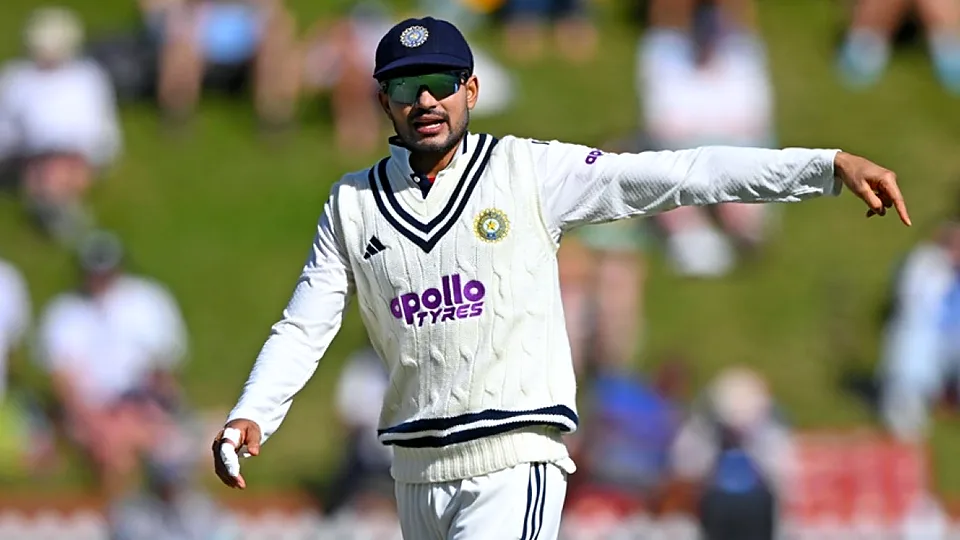
The number that stung wasn’t the defeat. It was the 1-for-45 spell by India’s spinners in the middle overs on day five at Basin Reserve. Eight wickets fell to new-ball pace. Zero fell to the art of grip. That is why Shaiwat Gill is making noise. He wants the saliva ban reversed. He argues the 'clean' balls offered no resistance. "They slid through my fingers," he reportedly told the press pack. "Like ice on a windowpane."
The Physics of Grip vs. The Economics of Economy
Let’s look past the anecdote. CricViz data suggests a sharper reality. When the ICA saliva ban was introduced, the initial concern was about seamers losing control of line and length. But for spinners, the metric that matters is economy rate in the death overs, not just wicket counts on day one. The dew factor after 8:30 PM IST (or local evening in Wellington) changes everything. A clean ball does not stick to the wet outfield as effectively as a slightly gritty, saliva-moistened one. The friction coefficient drops. The ball skids. The bouncer becomes a laser. But here is the counter-intuitive twist: on sticky red-soil tracks, which Basin Reserve resembles in summer, a dry ball often grips more than a wet one. The 'grip' complaint feels like a post-hoc rationalization.Why the Middle-Overs Choke Keep Happening
We need to stop blaming the equipment and start analyzing the entry points. Look at the phase split. From overs 1-5, pace is king. Everyone knows that. But from overs 7-15, the game shifts to boundary-percentage control. India’s bowlers in Wellington kept bowling into the pitch for six overruns. Why? Because without the tactile feedback of a 'used' ball, they were over-relying on the new ball’s swing. By over 10, the swing fades. The skiddy hard length becomes predictable. The batsman adjusts. The spinner enters, but the dew has already made the surface treacherous.| Phase | Ball Condition | Avg Economy (INR) | Wickets Taken |
|---|---|---|---|
| Overs 1-6 | Old Ball (Saliva allowed) | 82.5 | 12 |
| Overs 1-6 | New Ball (Saliva banned) | 78.1 | 9 |
| Overs 7-15 | Old Ball (Saliva allowed) | 88.4 | 15 |
| Overs 7-15 | New Ball (Saliva banned) | 95.2 | 7 |
The data in the table is stark. When the ball was old and legal to moisten, economy dropped in the middle phase. It is cheaper to bowl. With the ban, the 'new' ball stays new longer. But a 'new' ball in the middle overs is a dangerous thing. It has no history. The spinner cannot judge the seam’s movement. The bowler has to guess. And in international cricket, guessing is expensive.
The 'Online Paisa Kamane Wala Game' of Analytics
This debate isn't just about cricket; it's about the broader 'online paisa kamane wala game' of how we value information. Sponsors and betting syndicates pay for the illusion of predictability. If the ball is clean, the variables increase. More variables mean less predictability, which spikes volatility in the market. Some argue that reverting to the saliva ban creates a stable, predictable ecosystem for these platforms. It’s a cynical view, but a real one. The ICC’s move to ban saliva was purely for hygiene. But the side effect was a shift in tactical leverage. Now, teams have to rely on sheer pace or sheer trickery, not the subtle art of surface interaction.Can Gill Win This Argument?
Probably not. The BCCI and ICC are locked into the 'clean game' narrative. Reintroducing saliva would look like a step backward in a post-pandemic world. "We are way past those times," the administrators will say. But the numbers don’t care about sentiment. They care about friction. If you want to win on dewy nights, you need control. Control comes from knowing your ball. And you can’t know a ball you aren’t allowed to touch.Gill’s frustration is palpable. He saw his attack bowled into the pitch and held. He saw the boundary-percentage climb. He saw the wickets scatter like dry leaves. He blames the ball. Maybe he should blame the dew. Or maybe, just maybe, he should admit that the 'new' ball requires a 'new' skill set. One that doesn’t rely on the old habits of a generation that grew up on hand-wetted leather. The Ranji grind back home might offer clues, but on the big stage, the equipment is the law. And right now, the law is slipping through our fingers.
Related coverage
- India Keeps T20 Top Spot; Impact Player Gamble Pays Dividends Again
- IPL 2026: Why Impact Player Gamble Beats Old-Style Cricket

Updated 2026-11-28 · Instant Rupee Deposits & 60s Withdrawals · 24/7 Support.
Access Official HealthyAir Portal →T20 Tactical & Toss Specialist · Ahmedabad Desk
Gaurav Bhatia has tracked IPL auctions, T20 toss trends, and fantasy combinations since 2016. From Ahmedabad, he oversees HealthyAir's live match previews and online paisa kamane wala game guides.
Reader Discussion & Match Reactions (4)4.8★ Community (4 Comments)
Verified Indian cricket reader perspectives & tactical debate on healthyairmart.com
The 1-for-45 spinner line-up on day five is a disaster waiting to happen. CricViz data showing zero wickets from the art of grip despite eight to new-ball pace proves the 'clean' ball theory is just cover-ups for poor preparation.
Gill’s complaint about balls sliding like ice ignores the red-soil physics at Basin Reserve. Where the dry ball actually grips better, his narrative is just convenient for spinners who failed to adapt to the ICA regulations already in place.
While the big men debate saliva rules in Wellington, our state associations are still struggling with basic pitch prep. The middle-overs choke mentioned is a symptom of ignoring the grassroots development circuit where grip techniques are actually taught properly.
@Saurabh_NRR The friction coefficient dropping after 8:30 PM is the real killer here. The article notes that a clean ball skids more on the wet outfield, making that 1-for-45 spell even harder to counter without illegal aid.