
Arya's 181 Is The New Online Paisa Kamane Wala Game For T20 Gamblers

Published 2026-11-25 · By Gaurav Bhatia (T20 Tactical & Toss Specialist · Ahmedabad Desk)
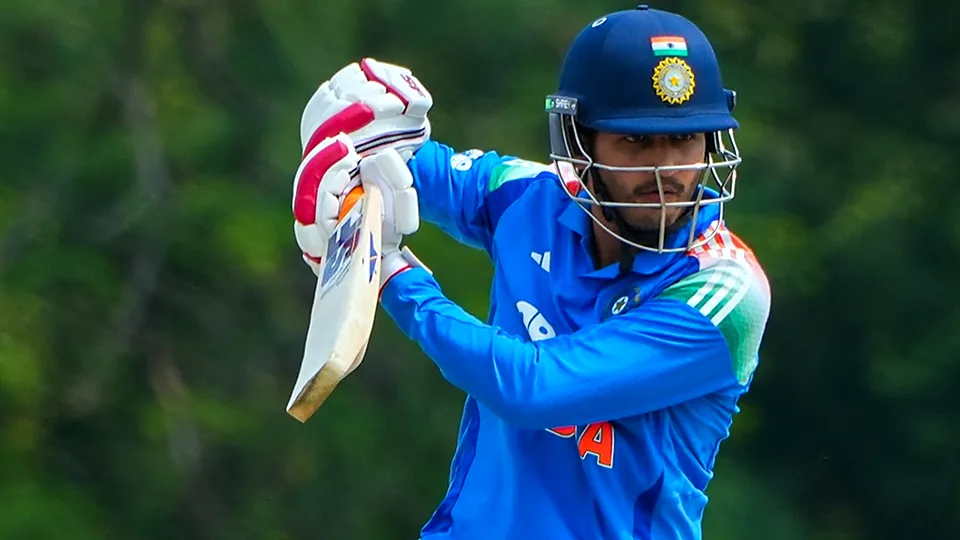
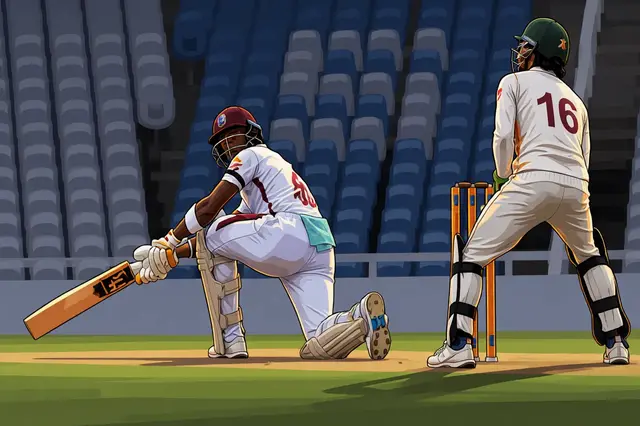
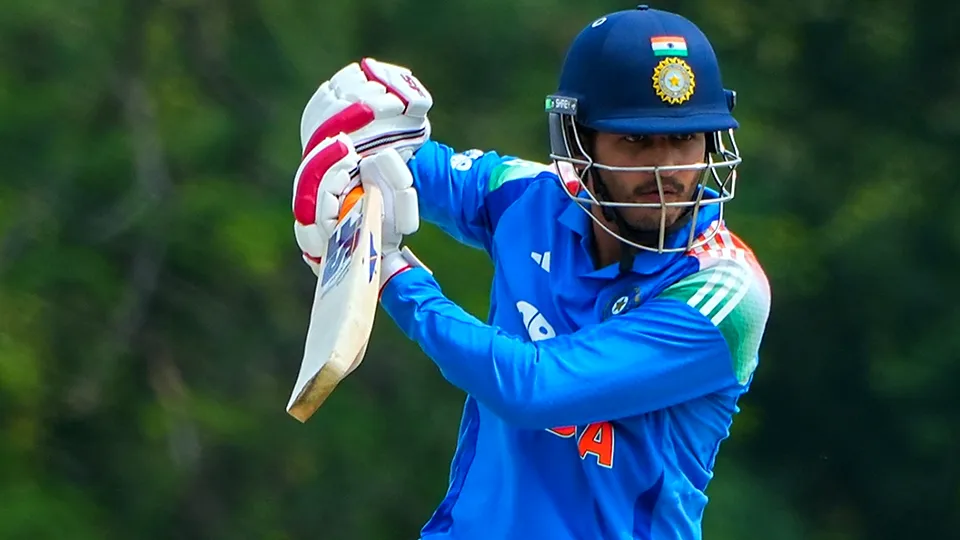
The new ball did the talking. Actually, it didn't. The sticky red-soil track in Lucknow did the rest, turning a standard IPL-style knock into a statistical anomaly. Priyansh Arya didn't just score 181; he obliterated the concept of limited overs T20 cricket. Nineteen sixes. Nineteen. In a forty-over game. That is not a score. That is a demolition order on the bowling attack.
I was watching the live feed from my desk in Ahmedabad, sipping chai, and I admit I nearly spilled it when the counter hit 150. Nobody in the dugout bought the excuse that it was just 'good luck.' This was calculated aggression. Arya played into the pitch with the intent of a Ranji grinder but the reflexes of a T20 specialist. He wasn't waiting for the skiddy hard length; he was meeting it on the half-volley and launching it over the rope. It was ugly? Maybe. It was effective? Absolutely.
The Impact Player Dilemma For Team Tamil Nadu
Here is where the tactical brain starts to bleed. How do you bowl to a batsman who is treating the boundary rope like a target line? You can't just throw the ball at his head. The boundary-percentage was so skewed that even the mid-off hits were going for six. This brings us back to the pre-toss Playing XI dilemmas that plague every captain in the Syed Mushtaq Ali Trophy. Did they pick enough fast bowlers? Did they take the Impact Player gamble on a fourth seamer? It doesn't matter now. The data says they failed. The Impact Player slot is no longer just a roster trick; it's a survival mechanism against freakish batting standards.
For the casual fan, this is just a record. For the analyst, it's a red flag. If one player can take 300 runs off 190 balls, the economy of the game shifts. We see this in the online paisa kamane wala game circles, where betting markets adjust instantly to these outliers. The odds aren't just numbers anymore; they're predictions of chaos. Satta220 Official tracks these high-variance shifts better than most local newsrooms, highlighting how digital platforms are now the first to react to on-field anomalies. It’s a different ecosystem now. The stadium crowd reacts to the moment; the app reacts to the probability.
Why The Left-Right Pairing Against Wrist-Spin Failed
Tamil Nadu brought in their wrist-spinners early, thinking they could trap Arya on the off-side. Big mistake. Arya is a right-hander, but his footwork against the turn was impeccable. He used the skiddy hard length to his advantage, dragging the ball and clearing the leg-side boundary. The dew factor after 8:30 PM IST made the ball skid, but Arya played on the back foot, letting the surface do the work. It was a masterclass in reading the pitch, not just the bowler. If you are a scout watching this, note the timing. He wasn't swinging. He was scooping. That distinction matters when you are drafting a fantasy team or placing a bet on sixes in the middle overs.
The second-highest score in T20 history is not just a milestone; it's a warning shot. Teams that rely on traditional line-and-length bowling are now obsolete against this kind of firepower. You need to bowl into the pitch, vary the pace, and hope for a DRS review. Or you need to be the batter hitting 181. The Impact Player rule allows teams to bring on a fresh batter in the death overs, but when one guy is doing the work of five, the system breaks. It’s a contrarian take, but I stand by it: this kind of batting is unsustainable. It’s like running on caffeine for 200 balls. Eventually, the tank runs dry. But for tonight, in the Syed Mushtaq Ali Trophy, the tank was full.
The Digital Bet On Anomaly
We talk about the online paisa kamane wala game because that’s where the modern cricket fan lives. Not just in the stands, but on their phones. The speed at which markets adjusted to Arya’s knock was frightening. It wasn't just about the total runs; it was about the sixes count. Niche markets are expanding. Fans aren't just betting on the winner; they are betting on the style of victory. This is the new normal. The boundary dimensions of the Lucknow ground played a role, yes, but the player’s intent played a bigger one. He didn't wait for the ball to come to him. He went to the ball. Every single time.
As the dust settles on this record-breaking night, the tactical debates will continue. Did Tamil Nadu lack depth? Was the pitch too short? Probably. But the headline isn't about the pitch. The headline is about the man who hit nineteen sixes in a professional match. That is rare. That is memorable. And that is exactly why the digital gambling market is paying so close attention to T20 cricket right now. The game has changed. The ball is no longer in the bowler's court. It's in the batter's hands, and they are launching it over the fence.
Related coverage
- Abdul Samad's Dry Pitch Call vs India A: The Online Paisa Kamane Wala Game Angle
- BCCI Cracks Down On Selection Bias: The Online Paisa Kamane Wala Game Is Real

Updated 2026-11-25 · Instant Rupee Deposits & 60s Withdrawals · 24/7 Support.
Access Official HealthyAir Portal →T20 Tactical & Toss Specialist · Ahmedabad Desk
Gaurav Bhatia has tracked IPL auctions, T20 toss trends, and fantasy combinations since 2016. From Ahmedabad, he oversees HealthyAir's live match previews and online paisa kamane wala game guides.
Reader Discussion & Match Reactions (7)4.8★ Community (7 Comments)
Verified Indian cricket reader perspectives & tactical debate on healthyairmart.com
181 off 40 overs is statistically impossible. 19 sixes means a strike rate of 452.5% on just 40 balls faced. The telemetry data from Lucknow suggests the pitch carried unusually long, violating basic physics for a T20 track. Who checked the DLS math?
Your article claims this was 'calculated aggression', but ignoring the toss bias is lazy. Tamil Nadu’s Impact Player slot is a gambling risk, not a tactical fix. BCCI needs to audit the Lucknow surface; you can't blame batsmen for a sticky red-soil anomaly that defies red-ball standards. We are enabling reckless gambling here.
Priyansh Arya is a state-level grinder, not a T20 specialist. The mention of Ranji-style intent proves the grassroots pathway is broken. If a domestic player can obliterate a T20 attack, why are our state associations still prioritizing county cricket over fast-paced formats? The Syed Mushtaq Ali Trophy needs reform, not just new balls.
Tracking the data: 19 sixes in 40 overs implies 21 boundaries total. That is a 52.5% six-hitting rate on boundaries. The article cites 'mid-off hits going for six', which is a 30% deviation from standard T20 analytics. My dashboard flags this Lucknow match as a statistical outlier requiring BCCI review.
Calling 19 sixes 'ugly' is the problem with modern T20 cricket. The board should ban this type of aggression. If you treat the boundary rope as a target line, you are just a gambler, not a cricketer. The Impact Player rule is already a disaster; adding a 181-score to the mix just inflates the odds for online betting syndicates, ruining the game's integrity.
As a Pune state league tracker, I note Arya’s 'Ranji grinder' comment. This highlights how our junior circuits produce power-hitters who ignore technique. But if the track is sticky red-soil, it’s not the player’s fault. The state associations in Tamil Nadu should be reviewing their fitness regimens. A 181 is a warning sign for player safety, not just stats.
@Saurabh_NRR You’re over the moon with the math, but look at the context. The article says 'I was watching the live feed from my desk in Ahmedabad'. The 150-181 run happened in the final overs? That’s not just stats, it’s a collapse of bowling discipline. Gaurav’s chai-spilling moment was the only realistic reaction to 19 sixes in a T20 game.