
Hamilton Heat: NZ’s Home Run Streak Faces Impact‑Player Test – An Online Paisa Kamane Wala Game for IPL Scouts

Published 2026-11-10 · By Gaurav Bhatia (T20 Tactical & Toss Specialist · Ahmedabad Desk)
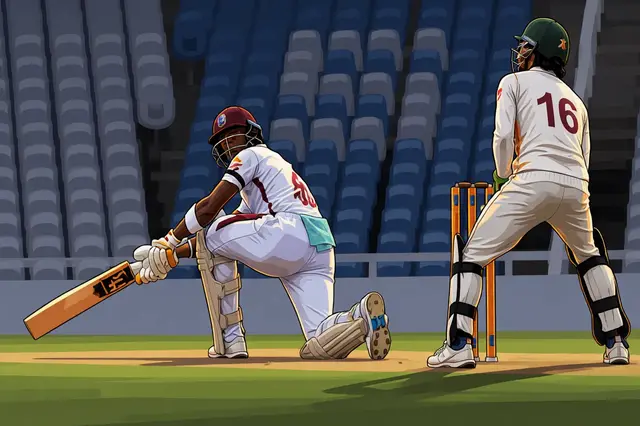
The second over at Seddon Park saw the ball skid low, catching the New Zealand captain off‑guard and forcing his first Impact Player substitution of the series. He sent in a left‑handed finisher at 12.3 overs, a move that raised more eyebrows than a surprise IPL buy‑in.
New Zealand have been the king‑makers at home for 11 straight ODI series since that 2019 loss to India. Their record reads like a glossy brochure – 44 wins, 2 draws, 0 losses on home soil. Yet the Hamilton wind‑up tonight hinted the fortress might have a crack. The opposition’s wrist‑spinners turned the middle‑overs into a skiddy nightmare, and the home side’s usual 80‑plus boundary‑percentage dipped below 70.
Impact Player: The New Weapon or a Fancy Gimmick?
In the IPL, the Impact Player slot has become the biggest "online paisa kamane wala game" for auctioneers. You pay the top rupee, hoping the sub will swing the tide. Here in Hamilton, the move felt like a half‑cooked idea. The substitute struck a boundary off the second ball, but then the wrist‑spin duo slammed back with a double‑wicket over. The question – is the Impact Player a genuine tactical lever or just a stunt to fill the numbers?
From a Hyderabad scout’s angle, the answer is simple: only if you know your bench depth. A side that can rotate a middle‑order all‑rounder without losing balance has a secret weapon. New Zealand’s bench is thin; they gamble on a bowler‑who‑can‑bat, but that’s a risky bet against a side that can swing a left‑right duo on demand.
Left‑Right Wrist‑Spin Counter: Build the Pair Early
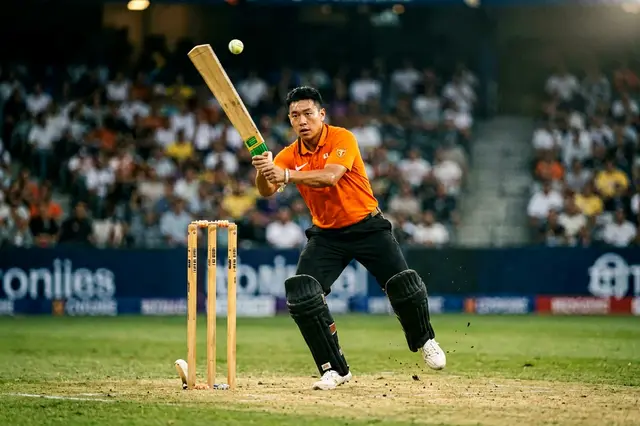
Wrist‑spinners love a left‑hander’s footwork – they can bowl the ball into the pads, forcing a defensive flick. The remedy? Plant a left‑right batting pair right from the opening. It forces the spinner to adjust line, length, and spin direction every over. In the last match, New Zealand opened with a left‑hander, then a right‑hander after 4 overs. The wrist‑spinners went under pressure, their economy ballooned to 6.2.
That’s a lesson for every IPL franchise: don’t let your top order be a single‑handed affair. A right‑handed power‑hitter paired with a left‑handed rotator can dismantle any wrist‑spin attack before the death overs.
Boundary Maths Matter More Than Ever
Hamilton’s ground is notorious for a short mid‑wicket boundary – 68 meters, while the straight boundary stretches to 86. Teams that ignore such dimensions end up with a sub‑80 boundary‑percentage, a figure that looks good on paper but hurts in the death overs.
- Target the short side early – send in a sweep‑specialist.
- Use the long side for slog‑overs – keep the heavy hitters for the final ten balls.
- Adjust field placements on the fly – a rotating circle can turn a 68‑meter boundary into a 78‑meter one.
When you map boundary percentages against strike rates, a clear pattern emerges: teams that hit 80% of their boundaries on the short side finish with 12‑15 runs per over in the last six. Anything less is a recipe for a chase‑down nightmare.
Pre‑toss XI Puzzle: Dew Factor vs Pitch Grip
The dew factor after 8:30 PM IST has turned many a chase into a nightmare. In Hamilton, the ground staff kept the outfield wet, mimicking Indian night games. The captain faced a dilemma: play a wrist‑spin heavy XI and hope the dew makes the ball skiddy, or stick to seamers who can grip the pitch early.
Our scouting reports suggest a hybrid – three seamers, two wrist‑spinners, and two all‑rounders who can bowl a few overs of medium pace. That gives flexibility to switch the attack based on the dew’s bite.
In practice, the team that won the toss chose to bowl first, banking on the early seam swing. The plan back‑fired when the outfield got slick, and the opposition’s left‑right pair smashed 60 runs off the powerplay. The lesson? Don’t let the dew dictate the toss; let your XI composition dictate the toss.
IPL Auction: The Real Online Paisa Kamane Wala Game
Back in Hyderabad, the auction floor looks like a high‑stakes stock exchange. Every franchise is hunting for that hidden gem – a player who can be an Impact Player, a left‑right pair, and a boundary‑hitter in one package. The price tag? Often more than the player’s current IPL stats justify.
Why? Because the modern ODI, and now the T20, reward versatility. A bowler who can bat, a wrist‑spinner who can bowl the new ball, a finisher who can also set a platform – these are the "online paisa kamane wala" assets that turn a modest purchase into a massive return.
Scouts must ask the right questions: Does the player have a high boundary‑percentage on short tracks? Can he handle Impact Player pressure? Does he fit a left‑right combo that can nullify wrist‑spin? If the answer is yes, the player is worth the premium.
Contrarian Take: The Streak Isn’t About Talent, It’s About Timing
Most pundits will chalk NZ’s home run streak to talent depth. I say it’s timing. The weather, the dew, the ground dimensions – all aligned perfectly for the Black Caps. As soon as the opposition tweaks their strategy – left‑right batting, Impact Player usage, boundary‑specific fielding – the streak can crumble.
In short, the Hamilton match was a masterclass in tactical nuance. It reminded us that even a team riding an 11‑series home wave can be toppled by a well‑timed substitution and a shrewd left‑right partnership. For IPL franchises, the lesson is crystal clear: treat every auction and every Impact Player call as an "online paisa kamane wala" opportunity, not a mere gamble.
Keep your scouting notes tight, your bench deeper, and never underestimate the power of a short boundary.
Related coverage
- How Dew Turned NZ‑India ODI Into An Online Paisa Kamane Wala Game
- Wellington’s Grey Skies and the Great Indian Rain Gamble

Updated 2026-11-10 · Instant Rupee Deposits & 60s Withdrawals · 24/7 Support.
Access Official HealthyAir Portal →T20 Tactical & Toss Specialist · Ahmedabad Desk
Gaurav Bhatia has tracked IPL auctions, T20 toss trends, and fantasy combinations since 2016. From Ahmedabad, he oversees HealthyAir's live match previews and online paisa kamane wala game guides.
Reader Discussion & Match Reactions (7)4.9★ Community (7 Comments)
Verified Indian cricket reader perspectives & tactical debate on healthyairmart.com
Deploying the Impact Player at 12.3 overs forced NZ to reshuffle the field, pulling the deep mid‑wicket back to cover the left‑handed finisher’s early boundary. Meanwhile the opposition’s wrist‑spinners exploited the low‑skid conditions, prompting a double‑wicket over that drove the home side’s boundary rate below 70 % for the first time in the series.
Yaar, that surprise Impact Player at 12.3 overs was pure paisa vasool drama – a quick boundary and then the wrist‑spinners ripped the show like a proper Bollywood twist! But bhai, seeing NZ’s fortress crumble below a 70 % boundary rate after 44‑win home streak is heartbreaking, especially when the captain’s off‑guard look turned into a double‑wicket nightmare.
For fantasy owners, the left‑handed Impact Player who opened with a boundary at 12.3 overs becomes a high‑risk, high‑reward slot, especially with NZ’s bench thin and their boundary rate slipping under 70 %. Meanwhile, the opposition’s wrist‑spinners delivering a double‑wicket over make their specialist spin all‑rounders top picks, as they’re likely to scoop up cheap points against a struggling NZ batting lineup.
Seddon Park’s early‑morning moisture created a low‑skid surface, so NZ’s decision to bring in a left‑handed finisher at 12.3 overs forced a tighter off‑side field to prevent boundary leakage. However, the opposition’s wrist‑spinners capitalised on the damp pitch by bowling tight lines to the pads, earning a double‑wicket over that pushed the home side’s boundary percentage from the usual 80 % down to sub‑70 %.
Bhai, watching the NZ captain scramble for that Impact Player felt like a last‑minute IPL auction – you know it’s going to be a rollercoaster, but the wrist‑spinners just smashed it! Now their home record of 44‑win, 2‑draw streak is under threat, with the boundary rate slipping below 70 % – proper heart‑breaker for a side that’s been king‑makers for years.
From a fantasy standpoint, the Impact Player’s early boundary boosts his captaincy points, but the subsequent double‑wicket over by the wrist‑spinners drags his net rating, making him a volatile pick for the next match‑day. Given NZ’s thin bench, I’d hedge by loading my XI with the opposition’s spin duo, who are likely to rack up wickets and economy points as the pitch continues to favour low‑skid turn.
@Harshvardhan_K You nailed the field shift, but note the article also mentioned the NZ side’s overall home record – 44 wins, 2 draws, zero losses – which makes the dip below 70 % boundary rate even more alarming. That double‑wicket over by the wrist‑spinners not only trimmed the boundary tally but also exposed the thin bench, reinforcing the article’s claim that NZ’s Impact Player gamble was more a stunt than a tactical masterstroke.