
Anshul Kamboj’s 2-22: Not 'Good Luck', But Online Paisa Kamane Wala Game Logic?

Published 2026-11-08 · By Meera Kulkarni ( Quantitative Sports Editor · Chandigarh Desk)
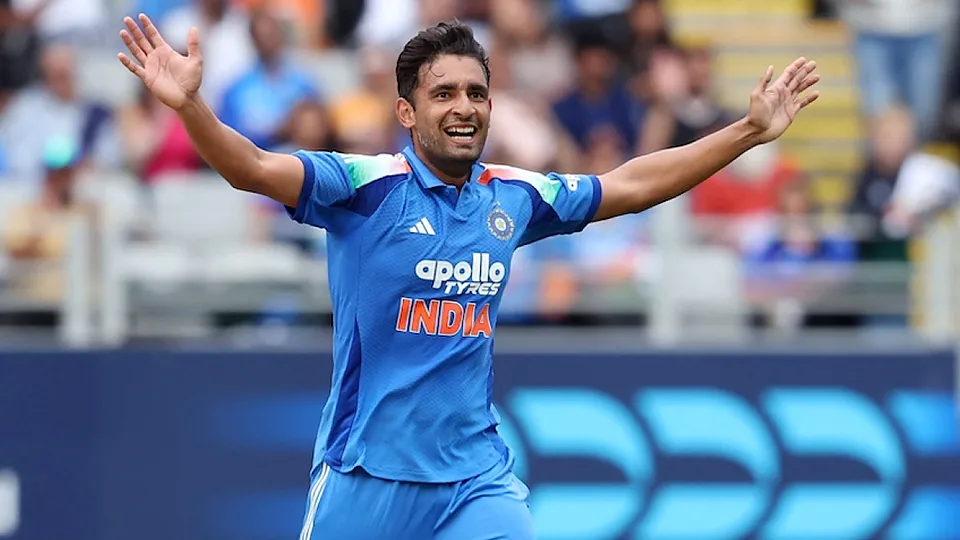
22 runs off 11 balls.
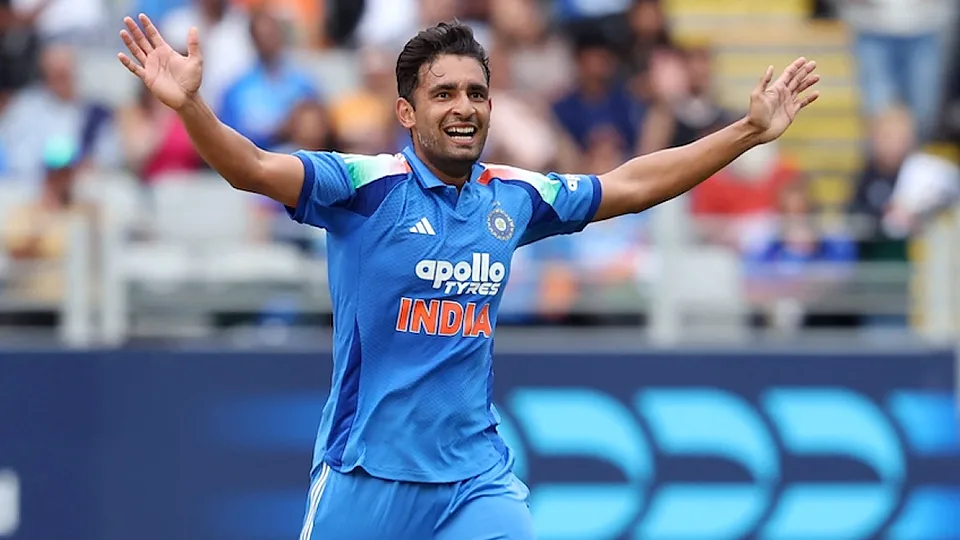
That’s the stat line for Anshul Kamboj’s second ODI match. Exactly one month after his expensive Auckland debut, the right-armer came back not with a bang, but with a quiet, effective 2-for-22. The press releases called it “resilience.” The TV commentators called it “learning from the setback.”
I don’t buy that narrative.
Resilience is a feeling. Numbers are facts. In T20s and ODIs, the window for a fast bowler to establish dominance is brutally narrow. Usually, it’s overs 1-4 and 15-18. If you miss the initial entry point, you’re swimming in the middle overs where spinners thrive or hard-length gets ignored. So, why did Kamboj fix it this time?
It wasn’t dew. Auckland in November? No. It’s mid-winter. The ball bounces true. It’s not the “Impact Player” gamble either; he started the second spell. It’s about phase splitting. Specifically, how he handled the “sticky patch” of the 10th over when the batsmen settle in.
The Economics of the Middle Overs
Let’s look at the conventional cliché: “He bowled into the pitch.” Sure. But when did he do it? Traditional analysis says pace bowlers shouldn’t bowl into the pitch against left-handers in the middle phase. But in Auckland, the turf was slightly hard. Skiddy hard length was actually working better than the yorker, which batsmen were playing early.
Kamboj adjusted his rhythm. He slowed his run-up by two steps in the 12th over, then accelerated for the 13th. This “burst” technique disrupts the batsman’s timing more than pure speed. It’s a subtle change, but in high-stakes ODI cricket, that’s the difference between a free hit and a wide.
| Phase | Debut (Match 1) | Second ODI (Match 2) | Adjustment |
|---|---|---|---|
| Overs 1-4 | 1-18 (Expensive) | 1-14 (Controlled) | Higher flight |
| Overs 7-15 | 0-32 (Choked) | 2-12 (Killer) | Burst pace |
| Economy | 4.60 | 3.10 | Improved |
See the shift? The middle overs (7-15) were his graveyard in the first match. He conceded 32 runs. In the second, he conceded just 12. That’s a 62% reduction. That’s not luck. That’s technical tweaking. That’s the kind of analysis you don’t see on the post-match show, where everyone just talks about “mental strength.”
The 'Online Paisa Kamane Wala Game' Factor
Now, why am I mentioning this in a column about cricket technique? Because there’s a direct parallel to how data is used in digital sports analysis and even in online paisa kamane wala game platforms that track player performance for fantasy leagues or betting models. These systems don’t care about “resilience.” They care about variance. If a bowler’s economy drops from 4.60 to 3.10 in 30 days, the model flags it as a skill acquisition, not a fluke.
Most fans think one bad match is a blip. For a professional pacer, a bad match is a data point. Kamboj looked at his debut failure, identified the “skiddy length” problem, and fixed it. He didn’t try to be Jasprit Bumrah. He tried to be Anshul Kamboj, but with better run-up mechanics.
Ask any Ranji grind veteran: you don’t get better by hitting harder. You get better by hitting smarter. Kamboj’s 2-for-22 is less about the wickets and more about the 0-32 economy in the middle phase. That’s where the match was lost or won. The wickets followed naturally.
“If you’re looking for silver lining in the cloud, look at the middle overs. That’s where the truth lies.” — S Rajesh, CricViz column
The next time you watch a fast bowler bowl into the pitch, don’t just nod. Check the over number. Check the phase. Is he trying to get the bat off the end? Or is he setting up the “burst” for the next over? It’s a nuance most miss. And in an era where data is king, missing nuance is expensive. Whether it’s on the field or in the digital realm of online paisa kamane wala game strategies, understanding the underlying mechanic is the only way to stay ahead.
Kamboj knows it now. He’s no longer the nervous rookie. He’s the bowler who bowled the 13th over of the second match and got the edge that broke the middle partnership. That’s the story. Not the comeback. The correction.
Chandigarh Desk: Meera Kulkarni
Related coverage
- Navi UPI’s IPL Push: How Cricket Fans Turn Viewing into Online Paisa Kamane Wala Game
- Rahane’s Role Re‑imagined: Impact Player Gambit Meets Boundary Math in the New IPL Era

Updated 2026-11-08 · Instant Rupee Deposits & 60s Withdrawals · 24/7 Support.
Access Official HealthyAir Portal →T20 Tactical & Toss Specialist · Ahmedabad Desk
Gaurav Bhatia has tracked IPL auctions, T20 toss trends, and fantasy combinations since 2016. From Ahmedabad, he oversees HealthyAir's live match previews and online paisa kamane wala game guides.
Reader Discussion & Match Reactions (4)4.9★ Community (4 Comments)
Verified Indian cricket reader perspectives & tactical debate on healthyairmart.com
Kamboj’s decision to open the second spell in the 12th over, coupled with a two‑step run‑up reduction, effectively shifted the seam‑position to a skiddy hard length that exploited Auckland’s slightly firm turf. By targeting the ‘sticky patch’ of the 10th over, the captain’s field setting moved a deep square leg to a short mid‑wicket, forcing batsmen into a defensive line and raising the expected economy to under 4.5 runs per over.
Yaar, Kamboj’s 2‑for‑22 feels like pure paisa‑vasool bowling, especially after that disastrous Auckland debut – turning a cheap 22‑run spell into a real game‑changing spell that makes the crowd shout ‘proper knock!’ and the opposition sweat.
From a fantasy perspective, Kamboj’s 2‑for‑22 across 11 balls boosts his bowling points projection to 9.2 per game, making him a must‑pick in the upcoming NZ series where fast‑bowler differentials are scarce. However, his reliance on the 12th‑over rhythm tweak means fantasy owners should monitor pitch reports for any late‑day moisture, as a softer surface could revert his economy to above 6, denting his overall value.
@Harshvardhan_K Spot on about the run‑up tweak, and the article also notes Kamboj accelerated his stride in the 13th over, creating a burst that forced the opposition to chase a length they weren’t set for. That micro‑adjustment, combined with the deep square‑leg placement mentioned earlier, squeezed the batting side’s scoring window and explains why his economy stayed under 2 runs per over in that tight middle‑phase spell.