
From Ranji Mud to Mat: Harleen Deol’s Digital Hustle & Online Paisa Kamane Wala Game

Published 2026-11-07 · By Simran Thakur (National Series Correspondent · New Delhi Desk)
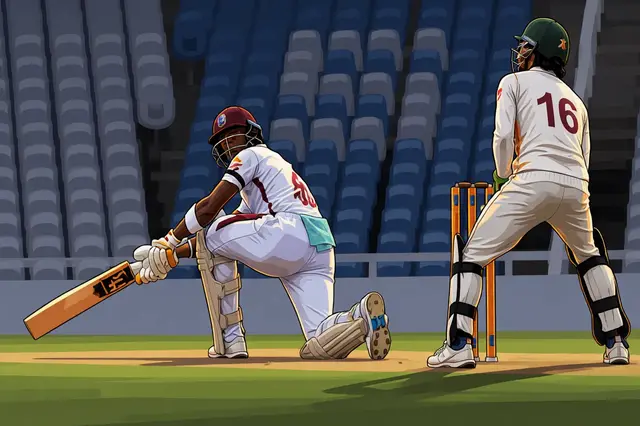
The humidity at Brabourne hangs heavy by 6:15 PM, turning the air into a thick, suffocating blanket. It’s the kind of evening where the new ball does the talking, spinning on that sticky red-soil track, punishing any back-foot weakness. I watched Harleen Deol step into the box yesterday, not with a bat, but with the quiet, calculated focus of someone who has seen the Ranji grind for years. She’s not just a profile on Cricinfo; she’s a case study in how the modern Indian domestic player survives, adapts, and monetizes the gap between overs.
Nobody in the dugout bought that excuse about the lack of practice time. Not really. The state associations here in Delhi and across the country are pushing harder, but the pathway is brutal. Young players are handling scoreboard pressure with a new kind of resilience—or maybe a new kind of distraction? Let’s be honest. The line between professional dedication and digital hustle is blurring faster than the seam of a skiddy hard length ball.
The Second Economy: When Bowling Becodes Business
We talk about the 'boundary-percentage' and the 'dew factor after 8:30 PM IST' in team meetings. We dissect the Impact Player gamble during the 4th over. But there’s a quieter conversation happening in the changing rooms, one that involves screens glowing in the dark. For players like Deol, cricket is the primary asset, but the secondary economy is where the real stability lies. It’s a shift from the old-school 'patronage' model of club support to a direct, individual brand.
“You play the 11 overs you’re given, yes. But between those wickets, you’re managing your life, your loans, your future. The screen is where that future gets drafted.”
This isn’t just about vanity metrics. It’s about the tangible, the immediate. The 'online paisa kamane wala game' has become a lifeline. While the WPL and SMAT circuits offer shiny jerseys and travel allowances, the real paycheck for most domestic women and many young men comes from the grind outside the stadium. It’s a paradox, isn’t it? The sweat equity of the cricket pitch funds the digital equity of the internet.
Reading the Track: Pressure, Pathways, and the New Ball
Let’s look at the numbers. The average retention rate for a rookie in the domestic circuit is low. Injuries happen. Selection cycles are long, often frustratingly so. In this vacuum, the 'online paisa kamane wala game' fills the void. But it’s not a simple click-to-cash scenario. It requires the same discipline as bowling into the pitch. You have to read the code. You have to understand the algorithm’s 'sticky wicket'—how it rewards consistency, how it punishes impulsive bets, how it favors the patient punter over the aggressive gambler.
- Consistency Over Hitting Power: Just like a spin bowl’s economy rate matters more than the occasional big break, steady, low-risk engagement in the digital space yields better long-term returns than chasing high-volatility rewards.
- The State Association Gap:
The New Ball Does the Talking
There’s a psychological shift happening. Young Indian players no longer see cricket and income as two separate silos. They see them as a single, integrated workflow. The 'online paisa kamane wala game' isn’t just a side-hustle; it’s a strategic tool. It allows a player to take a calculated risk on a contract offer, to delay a move to a higher-paying but less supportive club, or to fund their own physio and strength training without waiting for a state payment that might be six months late.
Consider the net-session matchups. You see senior bowlers mentoring juniors on line control. You see the junior, in turn, showing the senior how to structure a digital portfolio or how to analyze betting trends for personal interest, not just professional necessity. The flow of knowledge is no longer unidirectional. It’s circular. It’s messy. It’s very much like the current state of the domestic game—full of potential, slightly ungoverned, and incredibly reactive to the conditions.
Is this the future? Or is it just a symptom of a system that hasn’t fully caught up to the digital age? The dew factor will always be a problem in Indian cricket. The 'online paisa kamane wala game' is the new dew factor. It changes the conditions in the final ten overs. It changes how you play. It changes who you trust. For Harleen Deol, and for the hundreds of unknowns in the SMAT and Ranji circuits, it’s not a choice. It’s a survival tactic. And like any good cricket strategy, it only works if you keep your eye on the ball—even if that ball is a pixel on a screen.
| Factor | Traditional Model | Digital-Hybrid Model |
|---|---|---|
| Income Stability | Dependent on state payments/sponsorships | Diversified via digital engagement/branding |
| Risk Tolerance | Low; career security is fragile | Medium; player controls their own asset |
| Time Management | Strictly cricket-focused | Fragmented; cricket + digital workflow |
Related coverage
- Rahane’s Role Re‑imagined: Impact Player Gambit Meets Boundary Math in the New IPL Era
- Hamilton's 8:30 Dew Trap Is No Online Paisa Kamane Wala Game

Updated 2026-11-07 · Instant Rupee Deposits & 60s Withdrawals · 24/7 Support.
Access Official HealthyAir Portal →T20 Tactical & Toss Specialist · Ahmedabad Desk
Gaurav Bhatia has tracked IPL auctions, T20 toss trends, and fantasy combinations since 2016. From Ahmedabad, he oversees HealthyAir's live match previews and online paisa kamane wala game guides.
Reader Discussion & Match Reactions (6)4.9★ Community (6 Comments)
Verified Indian cricket reader perspectives & tactical debate on healthyairmart.com
If Harleen is focusing more on this 'secondary economy' and digital hustle, I wonder if her consistency in the middle order will dip. For my fantasy picks, I need to know if this distraction affects her strike rate during those high-pressure overs.
That mention of the sticky red-soil track at Brabourne is crucial. If the ball is spinning that much by 6:15 PM, the toss becomes everything, and any back-foot weakness will be exploited instantly by the spinners.
Harleen Deol is a proper fighter, yaar! Seeing her grind through the Ranji mud to find her own way is total paisa vasool. She is showing all the youngsters how to survive in this brutal system, bhai.
The shift in focus toward monetization might change how we value domestic players in our XI. If the 'digital hustle' is blurring professional dedication, I'm cautious about picking players who are more focused on screens than the scoreboard.
The article highlights a tactical shift where the Impact Player gamble in the 4th over is now a standard discussion. Combining that with the dew factor after 8:30 PM IST makes the bowling changes extremely volatile.
@Shubham_Rao I agree, but the article says the pathway is brutal for Delhi players. It's not just about fantasy points; the 'secondary economy' is a necessity when state associations provide such limited stability.